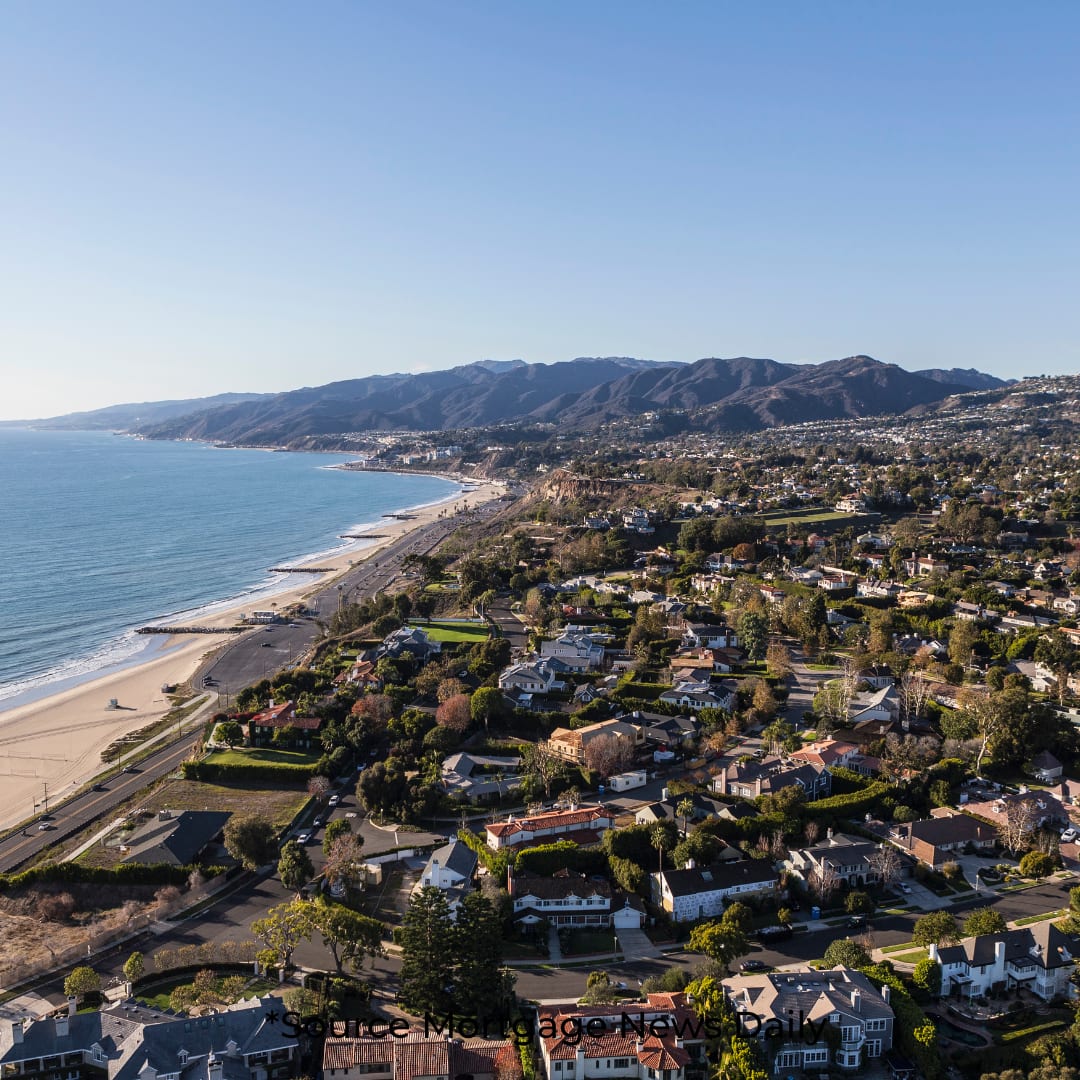

Pacific Palisades Real Estate Update
Rebuilding Progress, Home Losses and the Land Market in October 2026
The Pacific Palisades real estate market continues to evolve following the devastating January 2025 fires. Nearly 21 months later, rebuilding is underway, vacant lots are trading, and new homes are beginning to reach completion. Yet the difference between the scale of the destruction and the number of homes rebuilt remains one of the defining features of the local market.
For homeowners, buyers, sellers and investors, understanding these numbers is essential to evaluating the community's recovery and the opportunities emerging across the Palisades.
The scale of the destruction
According to CAL FIRE, the Palisades Fire destroyed 6,845 structures and damaged another 975. These totals include residential, commercial and other structures, rather than homes alone.
The loss of housing has fundamentally changed the local real estate landscape. Many properties that once traded as finished homes are now vacant parcels, shifting the focus of a significant portion of the market toward land value, construction feasibility, rebuilding costs and the time required to deliver a finished residence.
Rebuilding: permits are advancing faster than completions
According to the Palisadian-Post's Pali Rebuild Map, as of October 8, 2026:
- 1,862 building permit applications had been submitted.
- 1,317 building permits had been issued.
- 1,126 primary structures were under construction.
- 50 homes had been completed and received certificates of occupancy.
The number of issued permits demonstrates substantial progress through the approval process. However, a permit is only one milestone in a much longer construction process.
The gap between permits issued and completed homes reflects the time required for construction, inspections, utility connections and final approvals. Custom homes, in particular, involve numerous decisions and dependencies that can affect delivery schedules.
For homeowners considering a rebuild, the relevant questions extend beyond whether a permit can be obtained. Construction budgets, contractor availability, design choices, site conditions, utility infrastructure and realistic completion dates all matter.
The vacant-lot market: meaningful transaction activity
The post-fire market has also generated substantial activity in vacant land.
An MLS-based market report identified at least 591 closed lot sales between January 7, 2025, and July 31, 2026. Of those, 215 closed during the first seven months of 2026. The reported median land sale price for that 2026 period was approximately $1.823 million.
A separate market snapshot dated September 25, 2026, identified 149 active lot listings, with a median asking price of approximately $2.3 million.
These figures indicate that buyers continue to evaluate land opportunities, but asking prices should not be confused with closed-sale values. Nor should all lots be treated as equivalent.
Factors that can materially affect value include location, ocean and mountain views, lot size and configuration, slope, retaining-wall requirements, access, utility availability and the feasibility and cost of rebuilding.
For buyers, careful due diligence is essential. For sellers, pricing should reflect relevant closed sales and the specific characteristics of the parcel, rather than relying exclusively on broad neighborhood averages.
What this means for Pacific Palisades real estate
Three themes stand out.
First, the rebuilding pipeline is substantial. More than 1,300 permits have been issued, and over 1,100 primary structures were reported under construction. These figures represent a significant amount of work underway, even though completed homes remain scarce.
Second, land is now a distinct market segment. Vacant lots require a different valuation approach from finished residences. Buyers must consider not only acquisition price but also construction costs, financing, carrying costs and the time needed to complete a home.
Third, the pace of recovery should be measured in milestones, not assumptions. Permits, construction starts, certificates of occupancy, closed land sales and active inventory each tell a different part of the story. Tracking them separately provides a more useful view of the market.
Looking ahead
Pacific Palisades remains a community in transition. The rebuilding process is creating opportunities for buyers seeking to build a new home, sellers evaluating the value of vacant land, and property owners weighing whether to rebuild, hold or sell.
The next phase will depend not simply on how many permits are issued, but on how efficiently projects move through construction and reach completion. As more homes return to the market, the relationship between land values, replacement costs and finished-home prices will become increasingly important.
For homeowners, buyers and investors navigating this changing landscape, local knowledge and property-specific analysis remain critical.
Market data sources: CAL FIRE's Palisades Fire incident page; the Palisadian-Post's Pali Rebuild Map, with figures as of October 8, 2026; and dated MLS-based land-market reports through July–September 2026. Structure-loss figures include residential, commercial and other structures. Land sales and active listings reflect their respective reporting dates and are not live October 9 totals.
|
Key metric |
Figure |
Reference date |
|
Structures destroyed |
6,845 |
CAL FIRE incident assessment |
|
Structures damaged |
975 |
CAL FIRE incident assessment |
|
Rebuild permits issued |
1,317 |
October 8, 2026 |
|
Primary structures under construction |
1,126 |
October 8, 2026 |
|
Homes completed with certificates of occupancy |
50 |
October 8, 2026 |
|
Closed lot sales since the fire |
591 |
Through July 31, 2026 |
|
Active lot listings |
149 |
September 25, 2026 |
Sources:
