
The PKF hospitality group has published a new whitepaper in collaboration with the Future of Hospitality Institute, detailing the recent relocation trends among high-net-worth individuals (HNWIs). The report “Millions on the Move: The Increasing Global Mobility of Millionaires and the Consequent Impact on Branded Residences“ highlights how growing wealth mobility is driving demand for branded residences worldwide.
The number of millionaires relocating internationally has risen dramatically over the past decade, increasing from approximately 51,000 in 2013 to an estimated 142,000 in 2025, with forecasts suggesting this figure could reach 165,000 by the end of 2026. This trend reflects a broader shift in how affluent individuals approach wealth preservation, lifestyle optimization, and global investment opportunities.
According to the report, safety and security, tax efficiency, quality of life, economic stability, residency programs, and entrepreneurial freedom are among the primary factors influencing relocation decisions. As a result, destinations such as the United Arab Emirates, the United States, Singapore, Switzerland, Italy, Saudi Arabia, Portugal, Spain, Greece, Canada, and Australia continue to attract affluent investors and families seeking long-term stability and opportunity.
The movement of wealth has become one of the most powerful indicators of confidence in a country’s future. Today’s affluent individuals are no longer selecting destinations solely based on tax considerations. Governance, security, infrastructure, lifestyle quality, and long-term growth potential have become equally important factors in relocation and investment decisions.
Akshara Walia, Director of Research at the PKF hospitality group
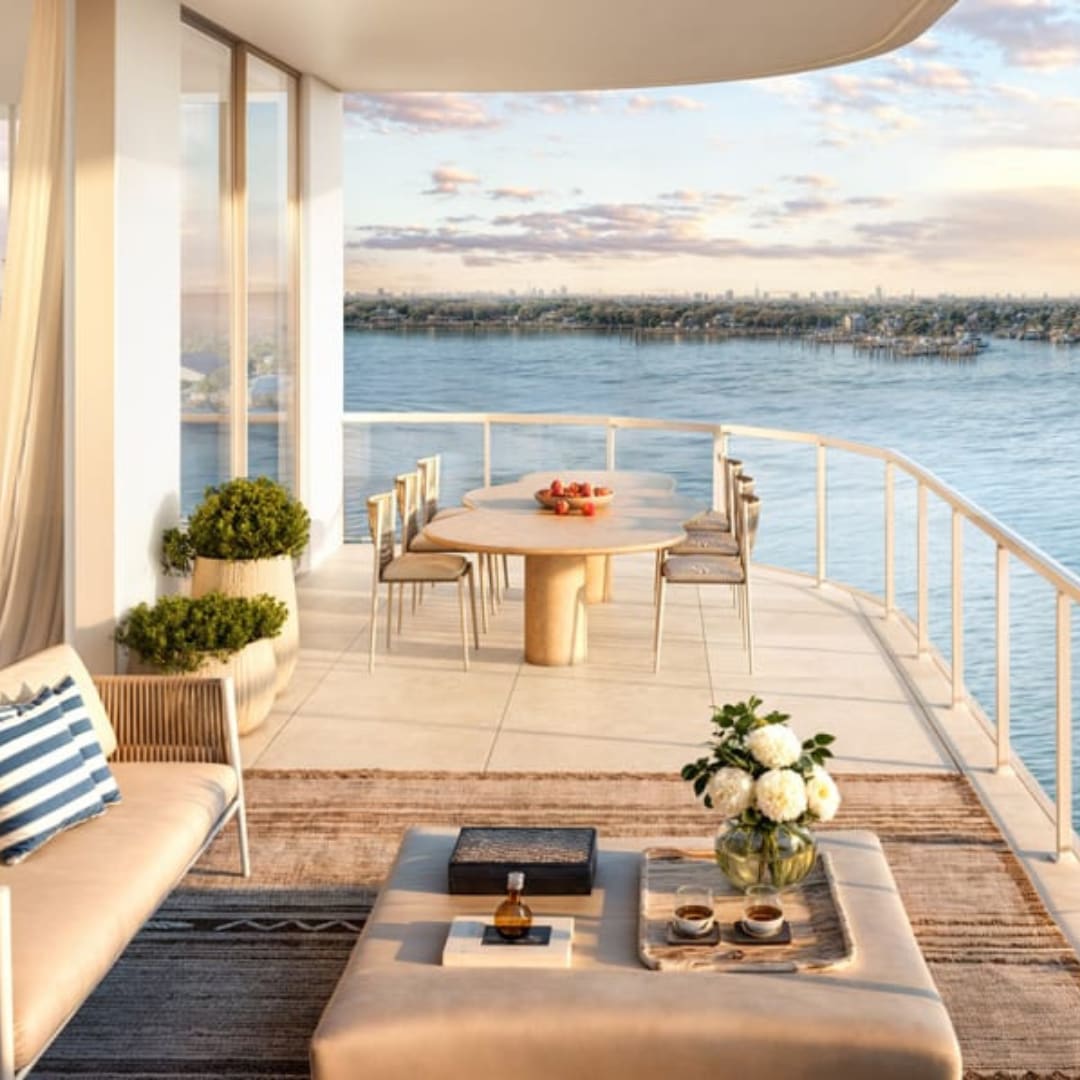
The report identifies branded residences as one of the biggest beneficiaries of this trend. Combining luxury real estate with hospitality services, brand prestige, investment value, and flexible ownership models, branded residences have emerged as the preferred residential solution for globally mobile HNWIs. These developments offer concierge services, security, wellness amenities, operational convenience, and strong brand assurance, while often commanding significant price premiums compared to traditional luxury residential products.
“Branded residences are uniquely positioned at the intersection of global mobility, hospitality, and luxury living,” added Walia. “Buyers are no longer purchasing only a home; they are investing in a complete lifestyle ecosystem that delivers convenience, security, service consistency, and global brand trust.”
Looking ahead, PKF hospitality expects four major trends to shape the future of the branded residences sector: the emergence of new wealth hotspots such as Montenegro, Malta, Latvia, Costa Rica, and Panama; deeper technology integration and AI-enabled living experiences; stronger sustainability requirements; and a growing focus on wellness and longevity-oriented residential concepts.
“The future of luxury residential real estate will be defined by flexibility, personalization, wellness, and seamless experiences,” concluded Walia. “As global wealth becomes increasingly mobile, branded residences will continue to evolve as the housing product of choice for internationally minded affluent buyers.”
